The field isthe classroom.The season isthe syllabus.
Enroll your district's next cohort.
Reading the land before the rains come.
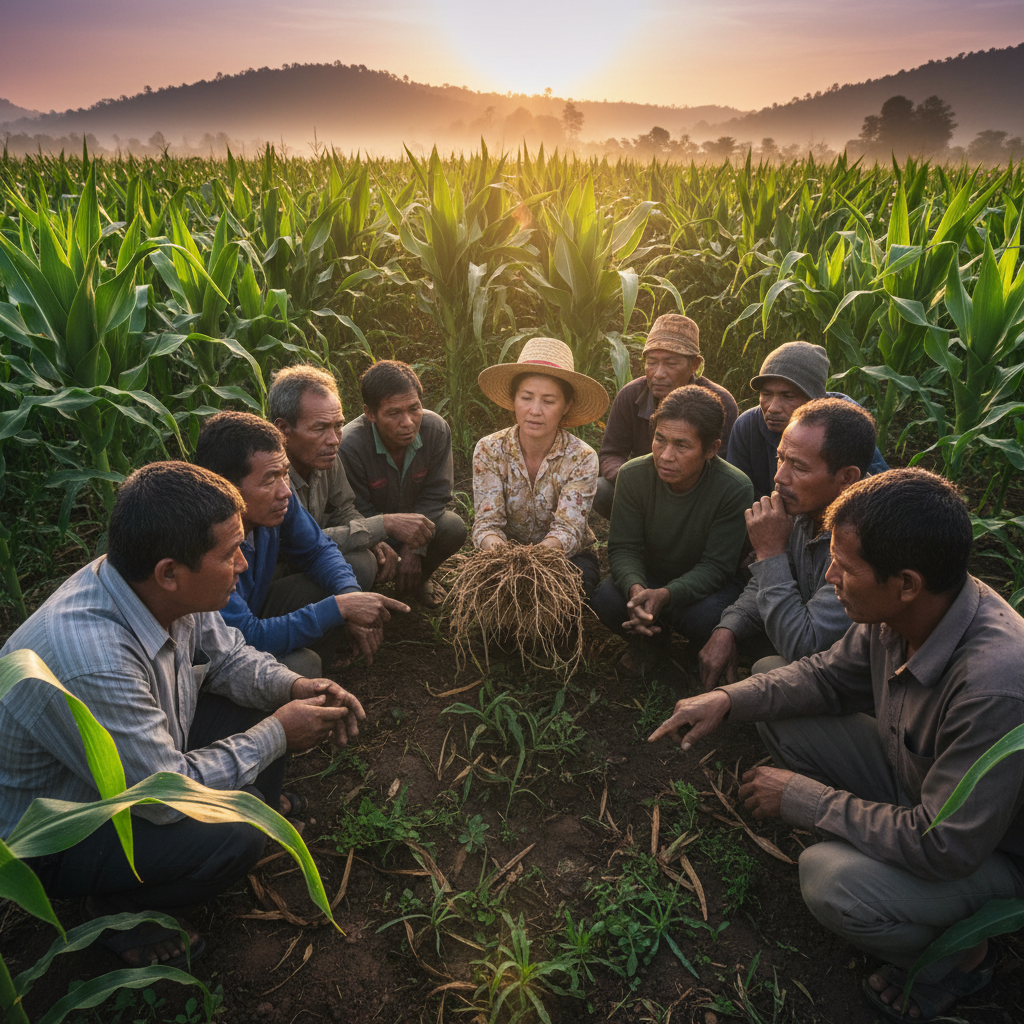
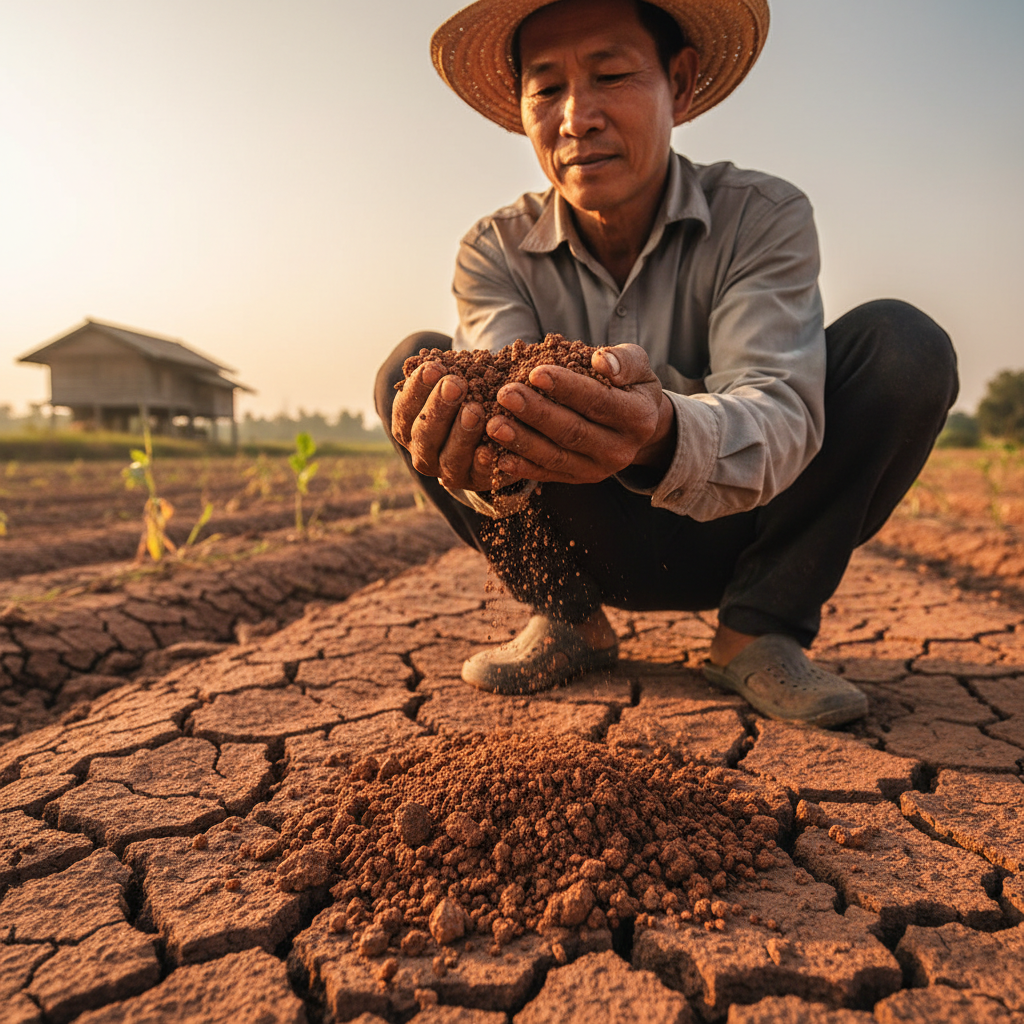
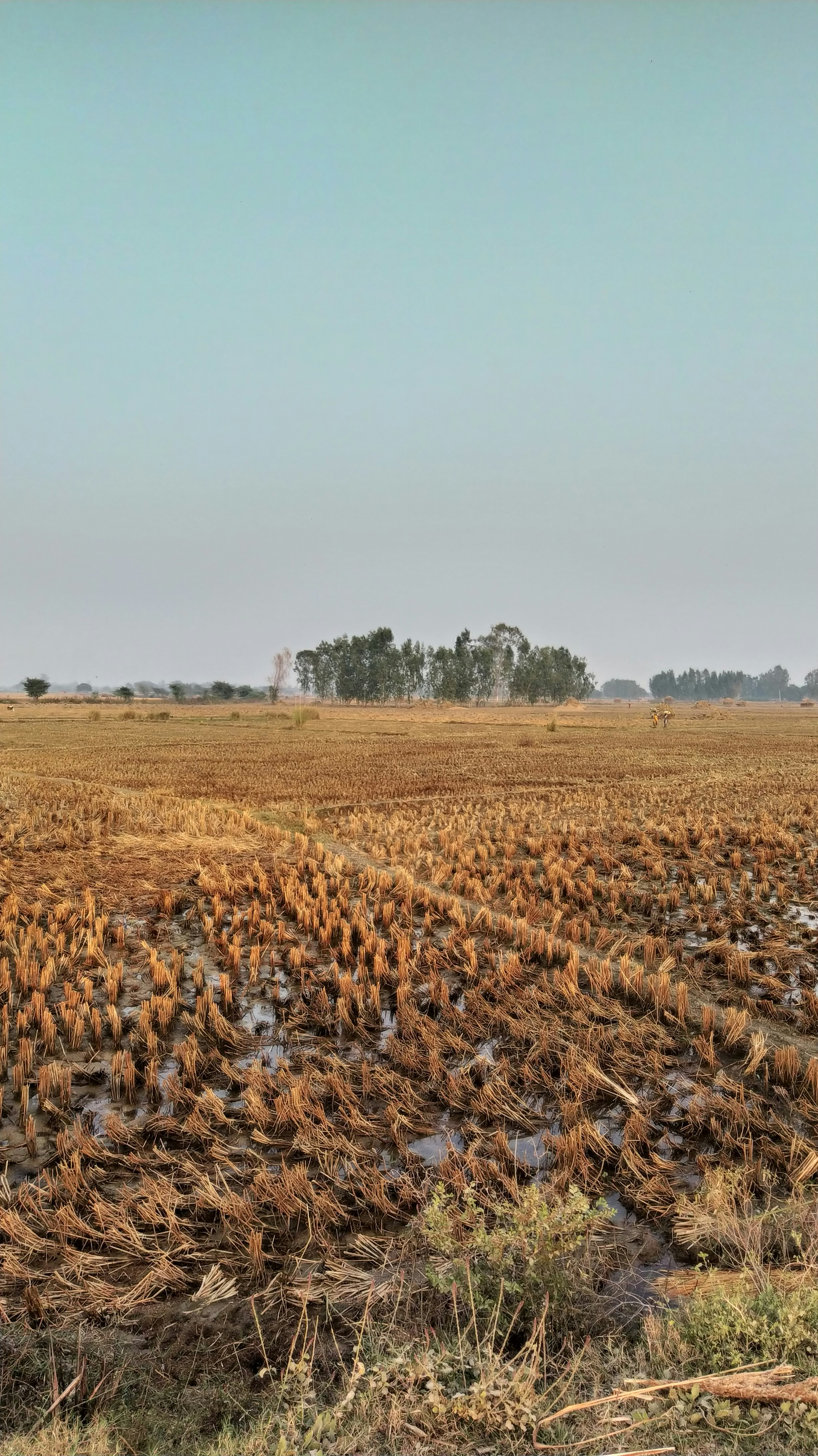
The season begins before a single seed is touched. Farmers walk their plots together, pulling up handfuls of dry soil, testing texture between finger and thumb. A Furrow facilitator asks: what does this tell you? The group debates. Nobody lectures. By the end of the morning, every participant has drawn their own soil map.
Same soil. Same rain. Different knowledge.
Season-end yield comparison across 38 paired plots, Kilimanjaro and Mbeya regions, Tanzania. Maize, 2025 long rains.
Data collected by independent M&E team. All plots certified organic inputs. Season: March–September 2025.
Pest scouting is not a task. It is a discipline.
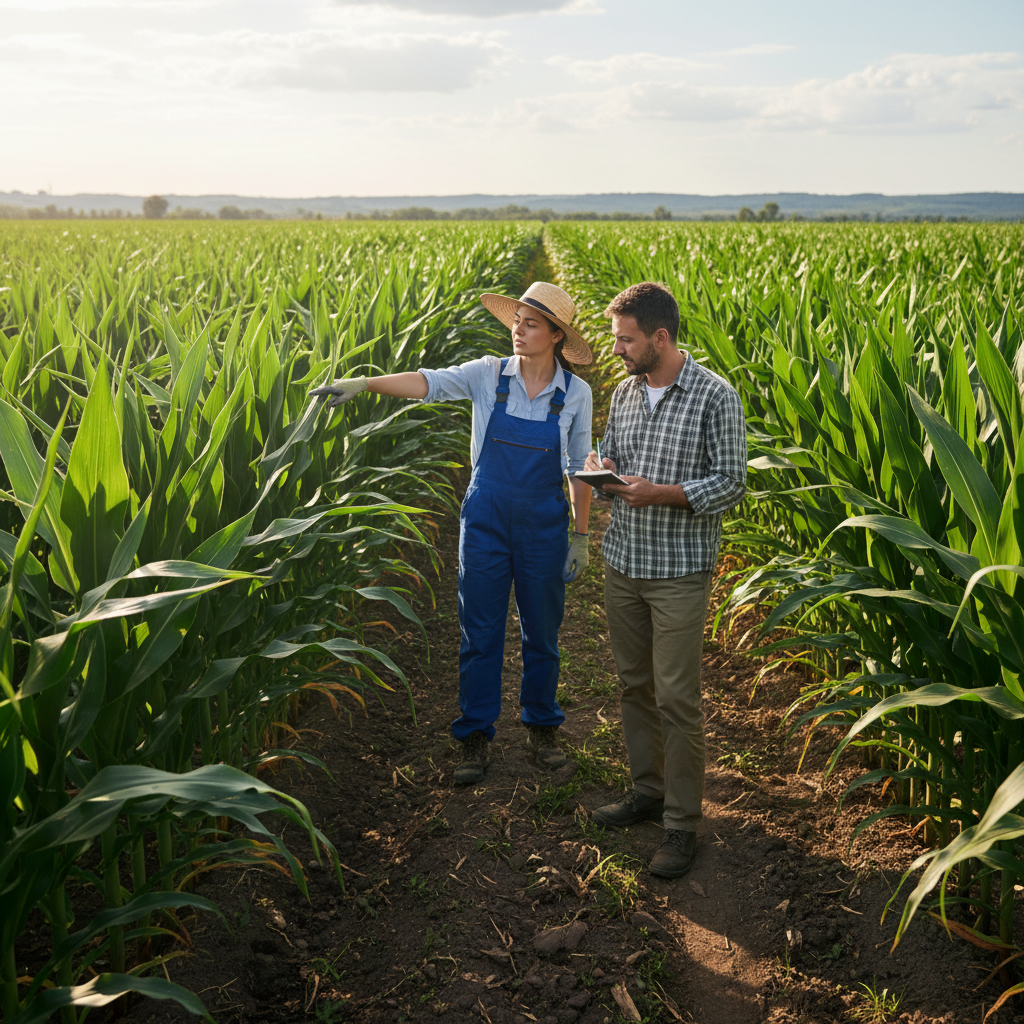
At knee height, the maize is a different world. Farmers move in pairs through the rows, one counting, one recording. They are looking for fall armyworm egg masses, leaf damage percentages, beneficial insects. The data they collect this week will determine whether they spray, how much, and where — or whether they do nothing at all.
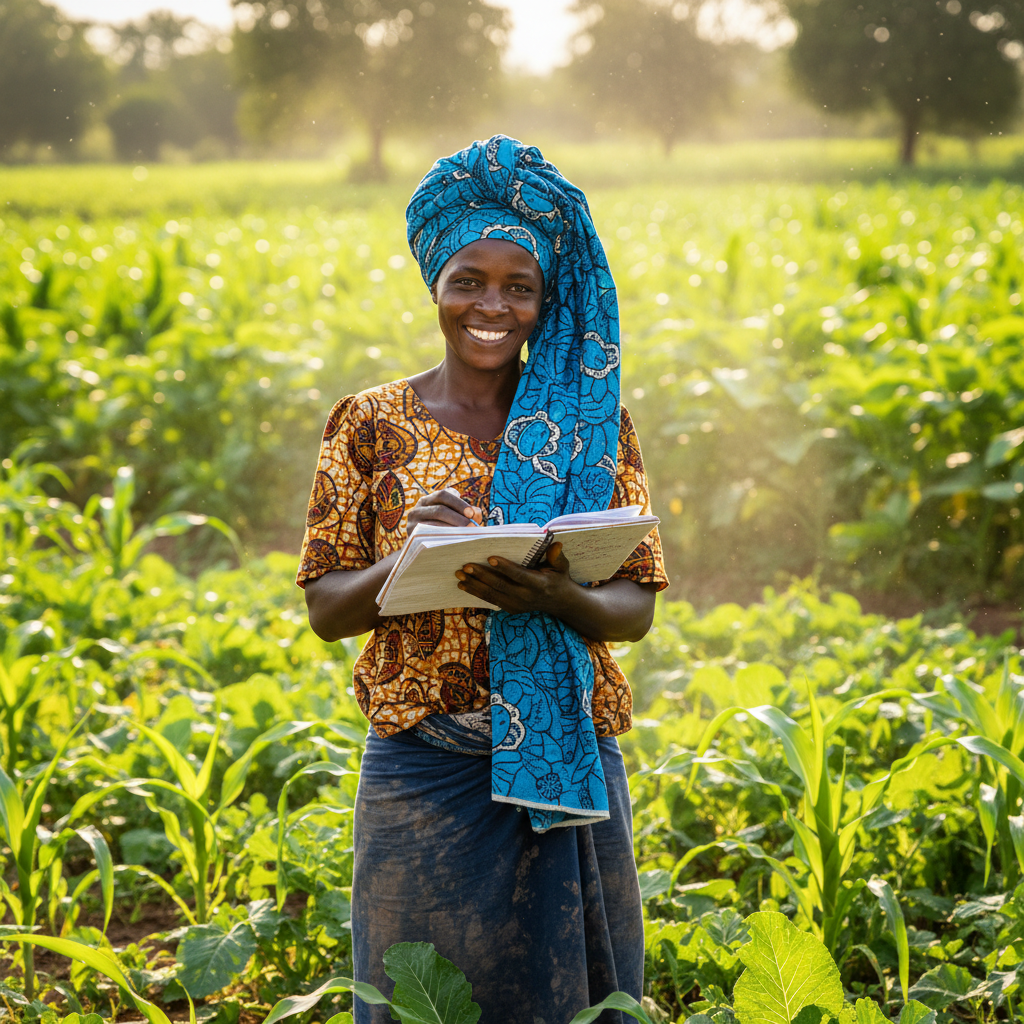
Before Furrow, I would walk past a sick plant and not know what I was looking at. Now I stop, I crouch down, I look at the roots. I ask the soil what it needs. My harvest this season was the best in eleven years — and I wrote down exactly why.
Rooted in 38 districts across East Africa.
+ 32 more schools across Uganda, Rwanda, and Ethiopia. View all districts →
The next season beginsin your district's fields.
Furrow works with extension officers, district agriculture offices, and NGO program managers to design, run, and measure field school cohorts. Enrollment for the 2026 long-rains season opens March 1.